Give each block one job
Writing, recording, and editing ask for different kinds of attention. Writing involves choosing ideas and shaping a message. Recording adds performance and technical setup. Editing calls for careful review and many small decisions. Trying to do all three in one unplanned session can leave you switching tasks whenever you reach a difficult point.
A focused work block is a reserved period with one main outcome. That outcome might be a rough script, three usable recording takes, or a reviewed first edit. Choose a length that suits your energy and the task rather than following a fixed rule. Include a few minutes at the start to open materials and at the end to note what comes next. If the work runs long, that note makes it easier to resume without reconstructing your train of thought.
Write before you polish
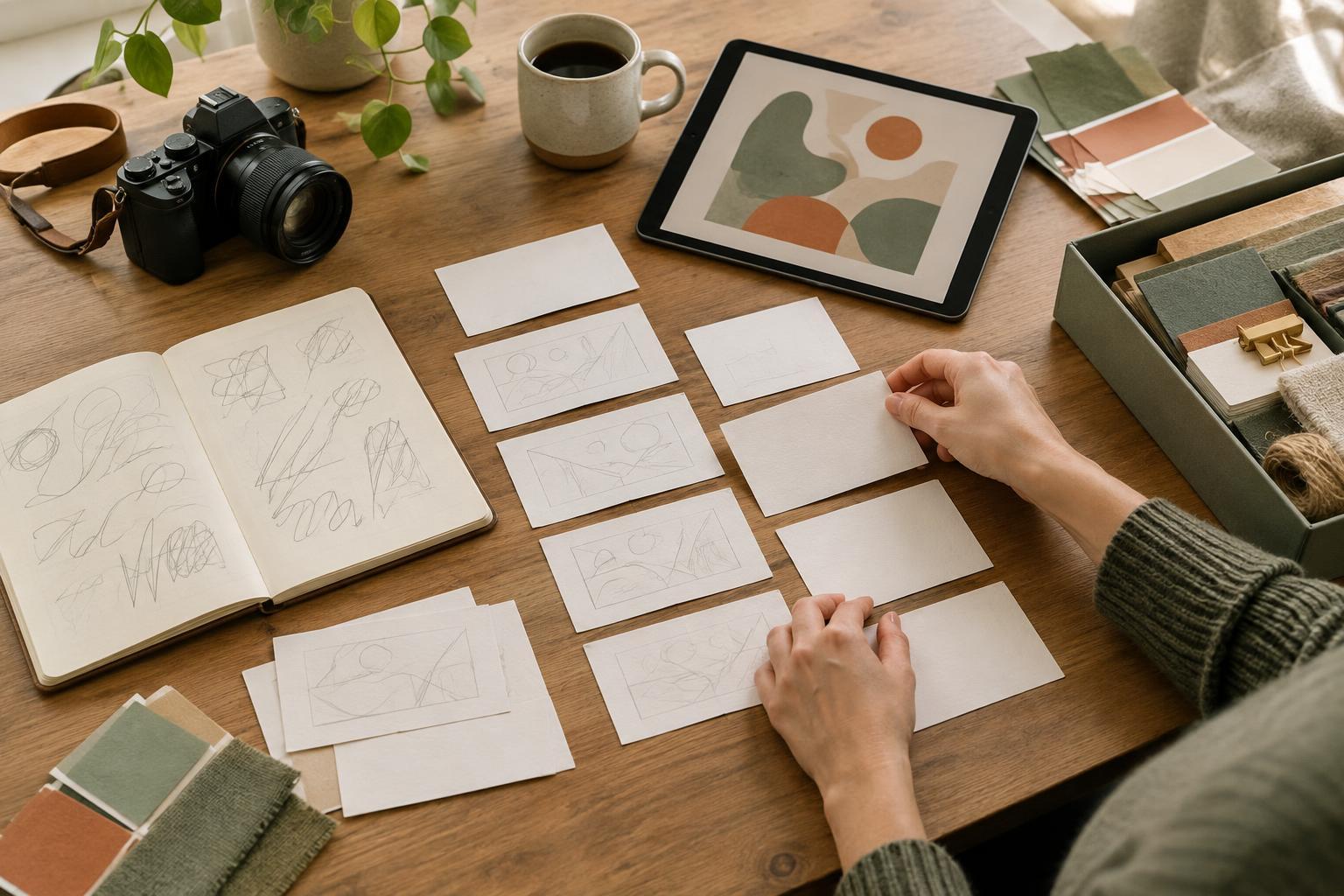
Start a writing block with a brief that names the audience, the point you want to make, and the format. For example, a short video about answering common community questions needs a different script from a detailed tutorial. Keeping the purpose visible helps you decide what belongs in the piece and what can wait for another one.
Use the first pass to build the structure: opening, key points, examples, and a useful ending. Save sentence-level polishing for a separate pass if you find yourself repeatedly rewriting the same line. When the block ends, mark unclear claims and missing examples instead of filling gaps from memory. A draft with visible questions is more useful than a polished draft that hides what still needs checking.
Make recording blocks easy to enter
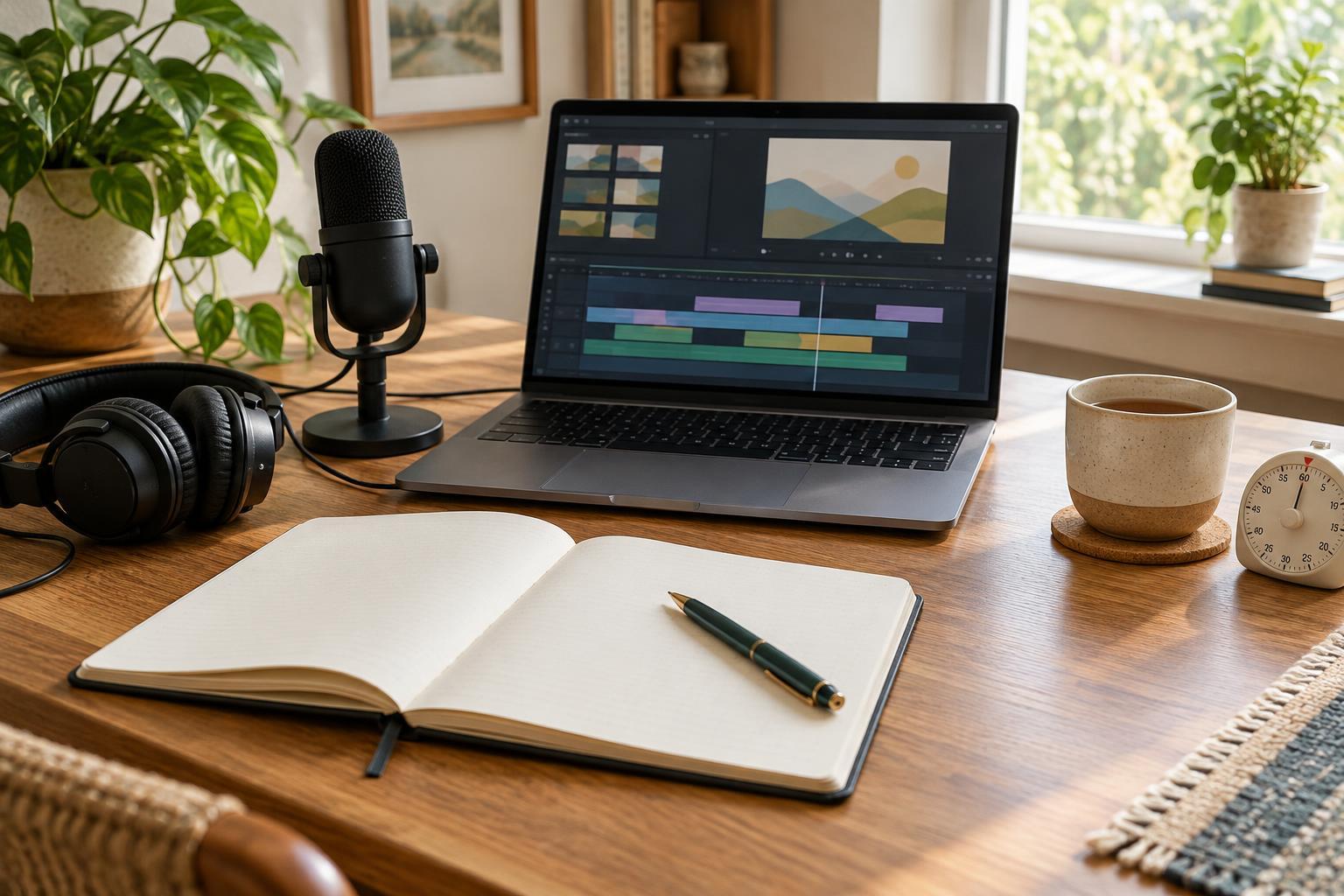
Recording time is easier to use when preparation happens beforehand. Keep a small checklist for the space, microphone or camera, framing, script, and any visuals you need to show. Check a short test recording before making a full take. This reduces the chance of discovering an avoidable sound or framing problem only after you have finished.
Set a realistic recording goal, such as one complete piece or several introductions to choose from. Leave room for pauses and retakes; they are part of the work, not proof that the session failed. If a line keeps causing trouble, try saying the idea naturally and revise the script later. Between takes, make a quick note of the strongest version so the editing block does not become a search through unnamed files.
Edit in passes, not all at once
Editing can expand to fill any time you give it. Before opening the project, decide what the block is for. A first pass can focus on structure and clarity: remove repetition, arrange the strongest material, and check that the piece delivers what its opening promises. A later pass can handle pacing, captions, graphics, sound, and final review.
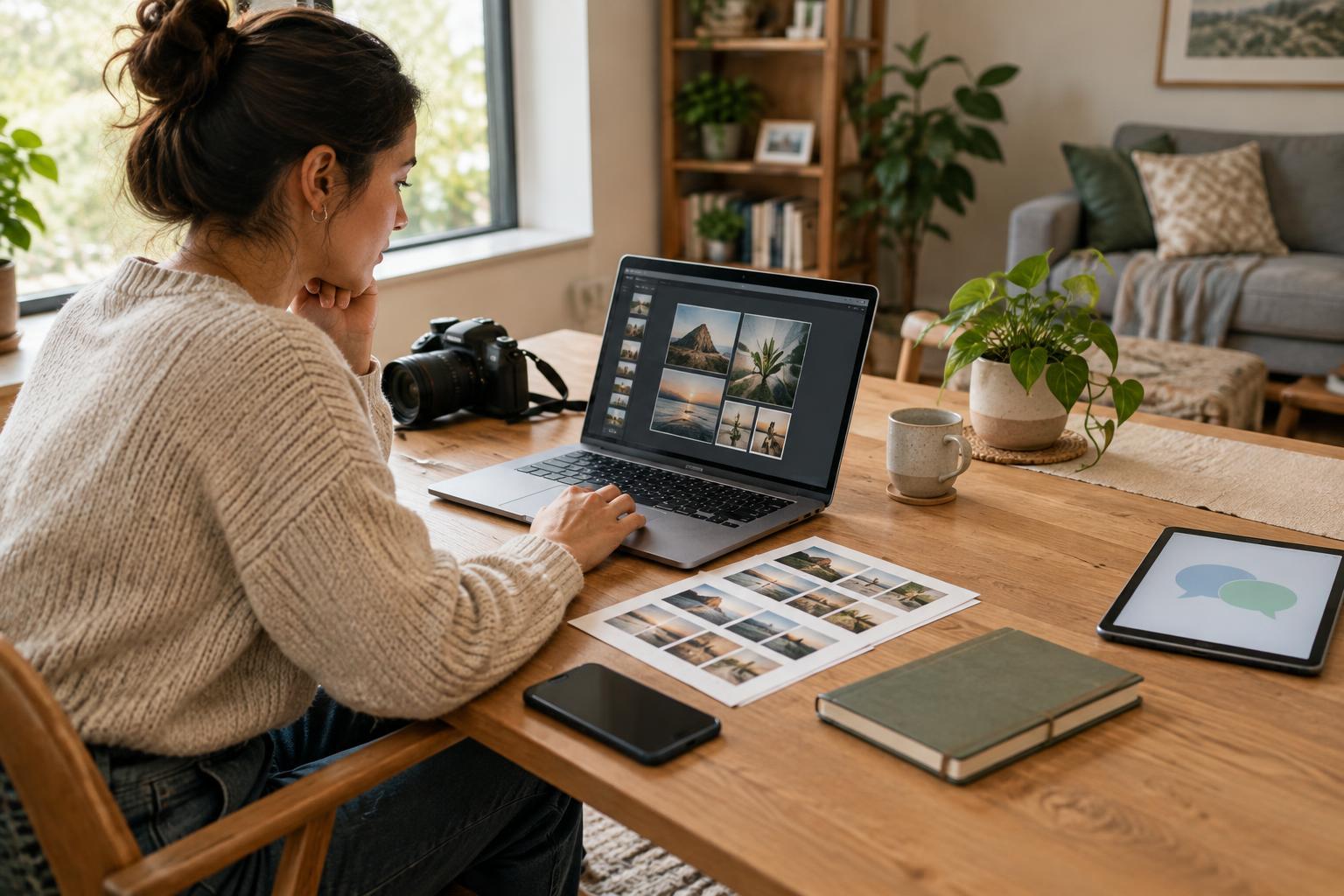
Separate essential fixes from optional refinements. An unclear explanation or missing caption may affect whether someone can use the content. Adjusting a minor visual detail may not. A short review checklist helps you make that distinction consistently. Watch or read the piece once as a member of the audience might, without stopping at every tiny imperfection, then record the changes that matter most.
Protect the workflow between blocks
Focused blocks work best as part of a flexible schedule, not a rigid production quota. Leave space between demanding tasks for breaks, messages, and unexpected work. If interruptions are common, choose a smaller deliverable that can be completed in one sitting. You can also keep a simple stopping note: what is done, what remains, and which file or draft to open next.
At the end of a week or production cycle, look at where work slowed down. If recording regularly starts late, the issue may be setup rather than motivation. If editing takes longer than expected, your writing brief may need clearer boundaries. Adjust one part of the process at a time. The aim is not to pack every hour with content creation; it is to give each stage enough attention to produce work you can stand behind and keep making.